
The Developmental Truth About Learning to Read

Updated: Feb 9
A Phonics-First, Mastery-Based Approach to Early Literacy: Building Strong Foundations for Young Readers

When children learn to read, they gain access to everything else. Reading opens the door to confidence, curiosity, learning across subjects, and independence. But reading does not happen by accident. It is built carefully, skill by skill, on a strong foundation.
Ready-to-learn Letters by Learning Made Easy was created to honor that truth for every kindergarten homeschool family.
This program exists because not all children learn to read the same way. Not all families have access to endless time, materials, or one-on-one instruction. Early literacy should feel safe, supportive, and accessible, not rushed or overwhelming.
📌 Quick Summary:
Some children need more repetition to master letters—and that is developmentally normal. Learning Made Easy uses a phonics-first, mastery-based approach with many free printable worksheets and optional printed (deliver to your door) workbooks. This allows families to support early reading at their own pace, without pressure.
A Phonics-First Foundation Matters
Reading is not guessing. It is not memorization. And it is not something children should be expected to "pick up" on their own.
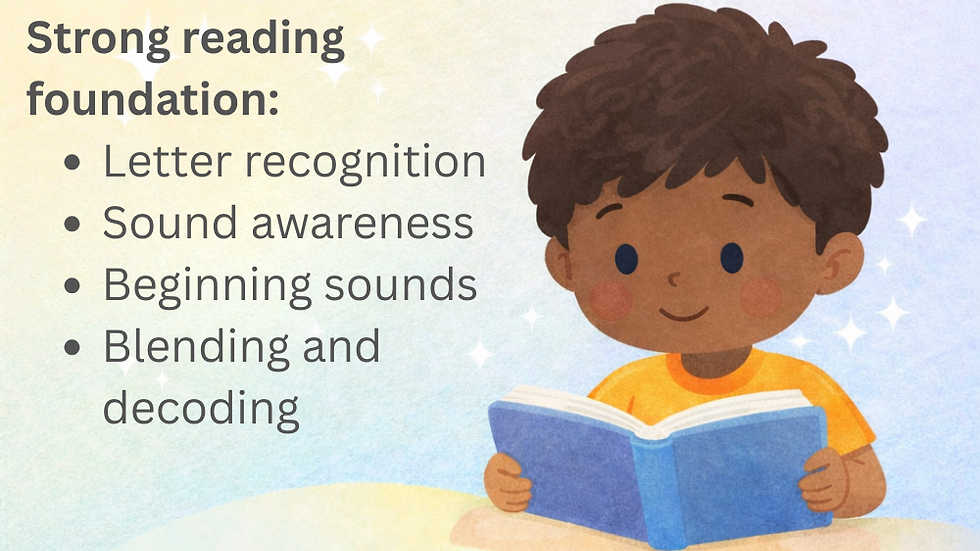
Strong readers are built through:
Letter recognition
Sound awareness
Beginning sounds
Blending and decoding
Repeated, intentional practice
A phonics-first, mastery-based approach gives children the tools they need to understand how language works. This method avoids relying solely on memorization or context clues.
Learning Made Easy is designed to protect that foundation. We take the time to reinforce skills often, allowing children to move forward only when they are ready.
Why Repetition Is Developmentally Necessary When Learning to Read
Mastery does not come from one worksheet or even a few. For many children, it comes from repetition, familiarity, and confidence-building practice over time.

That is why our kindergarten homeschool program includes a large number of worksheets focused on the same core foundational skills:
Letter recognition
Uppercase and lowercase identification
Beginning sounds
Letter tracing and writing
These worksheets are not busywork. They are intentionally designed to:
Reinforce the same skill in multiple ways
Reduce cognitive overload
Allow children to practice without pressure
Support mastery before progression
Some children need only a few exposures. Others need many. Both are normal.

At the heart of everything in Learning Made Easy is one developmental truth: children are not behind when they need more repetition; they are learning in the way their brains were designed to learn.
Learning to read developmentally means honoring a child’s need for repetition, time, and phonics-based instruction without rushing the process.
Before moving on, it's important to hold onto that truth. Repetition is not remediation. It is how learning becomes secure.
Free Kindergarten Homeschool Worksheets:
One of the most important pieces of Learning Made Easy is that many worksheets are available online completely free.
This was not an afterthought. It was part of the mission from the beginning.
I was once a parent who needed all the resources. And sometimes, I needed all the free resources. I understand what it feels like to want to help your child but not have the budget to purchase everything, or to need materials immediately.
That is why parents and teachers are invited to download and print free early literacy worksheets that support:

Letter recognition
Uppercase and lowercase letters
Beginning sounds
Tracing and handwriting practice
These free printables can be used:
In any order
At any pace
With any learning style
Without pressure to purchase additional materials
A Note About Free Worksheets vs. Printed (delivered to your door) Workbooks
You may notice that some free worksheets differ slightly from printed versions, and that is intentional and honest.
In many cases:
Free worksheets represent earlier or first edits
Printed versions reflect refinements made later
Lessons continued to evolve as I taught, revised, and improved them
Sometimes I was waiting on edits. Sometimes I was still improving lessons as I went along. And sometimes I shared worksheets early because access mattered more than perfection.
The goal was never to withhold resources; it was to make sure learning materials were available when families needed them.
Printed workbooks offer:
Curated collections
Visual consistency
Extended reviews and assessments
Easy and ready-to-use. Just open and teach.
Free worksheets offer:
Immediate access
Flexible practice
Skill reinforcement without cost
Both serve an important purpose.
Understanding the Ready-to-Learn Letters System
Learning Made Easy offers multiple formats so families can choose what works best, without duplication or pressure.
1) Use daily online lessons and print the FREE worksheets.
Parents and teachers will need to download and print lesson worksheets daily. To make this task as easy as possible for you, you'll find a special preparation section designed just for you at the beginning of each lesson.
If you'd prefer to skip the printing, consider purchasing our offline workbooks and readers. Click the links below to explore our offline resources!
The great news is that you can use the free worksheets and the offline workbooks in any order you prefer. You are the teacher! As the teacher, you have the flexibility to use our tools in ways that best suit your child.
Quick links (below) to our first five units A-E (16 lessons) FREE LESSONS AND WORSHEETS
Click below to navigate to the full Ready-to-Learn Letters Lesson List.
Plus, feel free to dive into our online Game Hub for free games anytime you want!
Core Program Options
Free printable worksheets (online)
Parents and teachers can download and print lesson worksheets daily. This resource is completely FREE and includes all Worksheets used in all 31 Units and 83 Lessons.
Ready-to-Learn Letters A-Z Core Student Workbook
The Core student workbook (black and white) includes (400 pages) of the worksheets from all 31 units in our Ready-to-Learn Letters series. It does NOT include the cut-and-paste letter activities (use the link below to bundle with Cut-and-Past Letters), the extended reviews, quizzes and test, or the celebration awards.
Ready-to-Learn Letters: An Early Learning Workbook for Pre-K and Kindergarten
This workbook (premium color) includes (470 pages) of the worksheets from all 31 units in our Ready-to-Learn Letters series. It does NOT include the cut-and-paste letter activities (use the link below to bundle with Cut-and-Past Letters), the extended reviews, quizzes and test, or the celebration awards.
Ready-to-Learn Letters: Cut-and-Paste Letter Activities Workbook
The Ready-to-Learn Cut-and-Paste Letter Activities Workbook helps children build letter recognition, beginning sound awareness, and fine motor skills through 53 engaging alphabet craft activities from our Ready-to-Learn Letters Program.
Expanded Letter Volumes (1–5)

Each expanded volume includes:
Full-color worksheets
hands-on cut-and-paste letter activities
Extended reviews and quizzes
Letter mastery awards
Unit completion certificates
These are designed for families who want structure, progress tracking, and celebration tools, not faster pacing.
This Expanded Edition, Volumes 1-5 bundle guides through all units of the Ready-to-Learn Letters Program, covering Letters A–Z and includes all 1,000 + full-color pages of engaging literacy activities, tracing, coloring, writing, and cut-and-paste projects that reinforce letter formation, letter sounds, phonics and early vocabulary, unit quizzes and completion certificates to celebrate progress.
The Expanded Volume Workbooks can also be purchased separately one volume at time. Do whatever works best for your family, your classroom, and your budget.
Skill-Based Workbooks
Optional resources include:
Alphabet coloring

All materials follow the same instructional philosophy and can be mixed and matched intentionally.
Learning Should Feel Safe—Not Rushed

There is no race in early literacy.
Children benefit most when they are given:
Time
Repetition
Encouragement
Permission to practice without pressure
Learning Made Easy was designed to protect that experience, for children and for the adults teaching them.
Parents and teachers are trusted to decide what works best. Worksheets can be revisited. Letters can be repeated. Progress can be slow and steady.
That is how confidence is built.
Needing more repetition does not mean a child is struggling. It means learning is taking root. When we honor that process, mastery follows, and confidence grows naturally from there.
Our 8-Step Path to Reading Mastery
At Learning Made Easy, we follow a proven 8-step phonics program designed to take children from their first letter sound to confident, independent reading.
The Ready-to-Learn Letters series serves as the Step 1 Foundational Pillar of this journey. Before a child can blend or decode, they must have a rock-solid grasp of letter recognition and sound awareness. By mastering this first pillar, your child builds the stability needed for the next seven steps of our phonics-first curriculum.

The Heart Behind Learning Made Easy

The Ready-to-Letters Program from Learning Made Easy exists because early readers deserve strong foundations, and families deserve support without pressure.
This program was created by a parent who once needed every free resource I could find. It is built on the belief that reading confidence grows through mastery, not memorization, and that learning should meet children where they are.
When learning is made easy, confidence follows. And when children can read, everything else becomes possible.
Happy Homeschooling!

FAQs
Are the worksheets really free?
Yes! Many Ready-to-Learn Letters worksheets are available online, completely free to download and print.
These free resources exist to support accessibility for families and educators who need flexible, phonics-based practice. Printed workbooks provide curated collections and additional progress tools, but free worksheets will always remain part of Learning Made Easy.
What is the difference between the free worksheets and the printed workbooks?
The free worksheets offer immediate, flexible access to core skills. The printed workbooks are curated collections that offer visual consistency, extended reviews, and assessments in a ready-to-use format—no printing required!
My child is struggling with a specific letter. Should I move on?
No. Our program is mastery-based, meaning it is developmentally normal for children to need repetition. We encourage you to use our extra worksheets and games to stay on a letter until your child feels confident.


Comments